
Ricky Ponting remains one of cricket’s most successful captains: he guided Australia to multiple World Cups and achieved winning rates that few rivals could match. His captaincy style has been analysed by business commentators as a model of clarity, resilience, and strategic thinking.
In marine accident investigation—especially involving commercial boats, yachts, and recreational craft between 16 and 200 feet—those same qualities matter. Just as a captain must assess field placements, vulnerabilities, and opponent moves, a marine investigator must see what others overlook: the hidden systemic gaps and latent hazards rather than just the immediate striking event.
Seeing the Gaps, Not the Fielders: A Metaphor for Root Analysis
On the cricket field, a captain might advise bowlers and fielders to focus not on where the batter is hitting today, but on where the gaps could open tomorrow. That is, don’t just track the obvious targets—you anticipate where weak spots live. We adopt that same philosophy at A&L Maritime Experts when we investigate a commercial boat incident: we look not just at the “fielder” (the immediate cause) but at the systemic “gap” that enabled it.
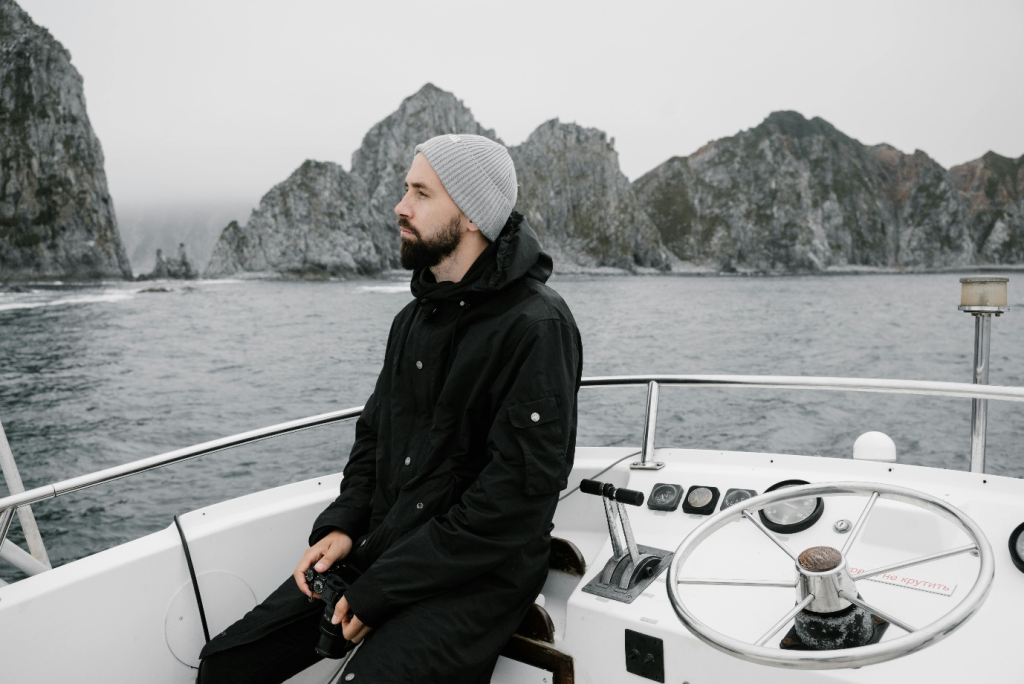
When a small passenger boat or a yacht under 250 feet collides or capsizes, many reports focus on human error, navigation choice, or weather. We dig deeper: Was the safety management system incomplete? Did maintenance procedures leave a blind spot? Was training or oversight deficient? Our investigation pivots on uncovering latent failures in vessel operations, maintenance planning, or institutional oversight — the gaps that permitted the failure.
Decision under Pressure: Ponting’s Mental Framework and Investigative Rigor
Ponting built mental checklists, sharpened situational awareness, and trained under pressure to make instantaneous calls. In water accidents, there is rarely a luxury of time. Investigators must rapidly reconstruct sequences, not rushing to blame individuals but reconstructing causal chains.
We mirror that approach. Within hours of an incident, our team collects relevant data: digital logs, crew statements, survey records, maintenance history, and propulsion system performance. We think laterally—rejecting the temptation to settle on the first plausible cause. Instead, we pose alternative hypotheses, challenge assumptions, and cross-check testimonies.
Cultivating Team Cohesion: Ponting’s Culture and Collaborative Investigation
Ponting’s leadership was defined not only by his own performance but by how he galvanized teammates, pushed accountability, and fostered trust. In marine investigation, no expert works in isolation. We combine naval architects, marine engineers, surveyors, human factors analysts, and forensic reconstruction. Each specialist has a partial view: the structural engineer sees hull stress; the navigation expert sees bridge practices; the human factors analyst sees fatigue or decision biases.
We lead that multidisciplinary team, ensuring they communicate effectively, critique assumptions, and test overlapping causal paths. In that sense, we act like a captain marshaling specialists, ensuring the whole picture is built, not just fragments.
Prevention Mindset: From Incident to Systemic Risk Reduction
Ponting always said winning is not the only goal; sustaining success through adaptation is also important. When A&L investigates a boating collision or capsize, we never stop with “what happened.” We map gaps to future risk: where might similar flaws manifest? We deliver recommendations that strengthen inspection regimes, refine operational protocols, bolster human oversight, and close latent vulnerabilities throughout the fleet (especially among small commercial boats and yachts from 20′ to 125′, the core of our work).
By shifting the lens from individual error to systemic resilience, we help clients and regulators elevate safety.
At A&L Maritime Experts, LLC, we deliver litigation-grade accident investigation and vessel analysis services. With over 16,000 vessel inspections and decades of proven success, we support attorneys, insurers, and vessel owners. Reach out to our boat crash expert or boating law specialists in Florida when you need qualified insight. Explore answers in our FAQs or contact us directly for maritime legal support.

