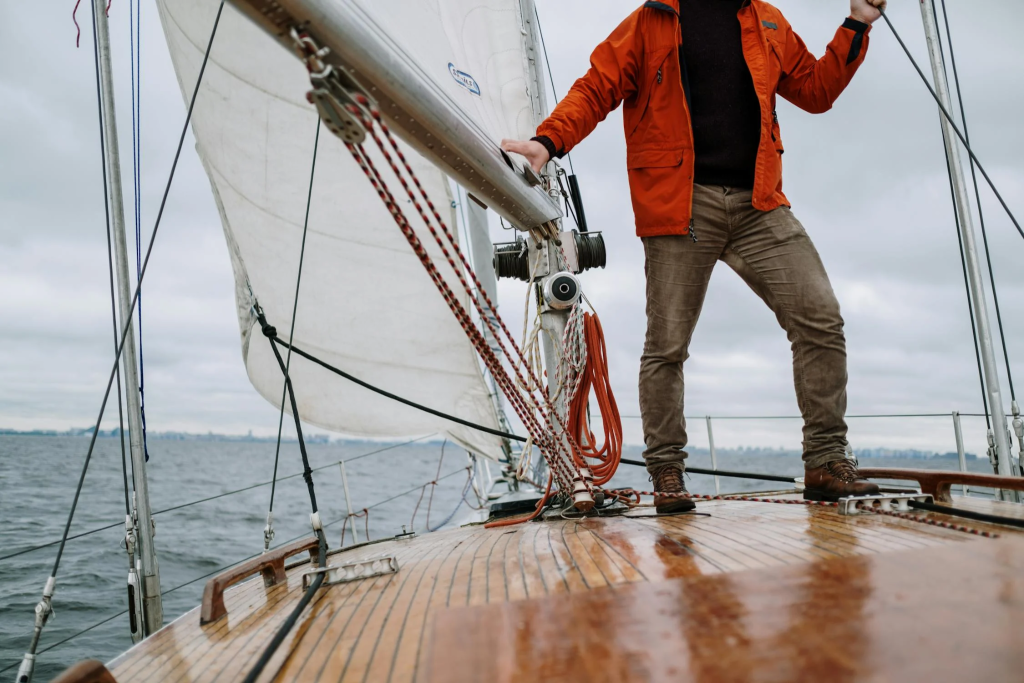
Crew shortages are no longer an isolated issue but a continuing pressure point across commercial shipping and passenger vessels. Fewer available crew members often means longer shifts, compressed rest periods, and less time for proper safety checks. When combined with seasonal spikes in shipping demand, these shortages can increase the chance of operational errors, mechanical oversights, and delayed response during emergencies. The resulting risk profile has placed human performance under a closer investigative lens than ever before, and operators are now being urged to prioritize manning levels to meet regulatory expectations with insights from boating risk assessment Florida specialists.
Fatigue as a Hidden Liability
Fatigue has emerged as a leading factor in maritime accident reports. Sleep deprivation, extended duty cycles, and psychological stress compromise decision-making and reaction time. Investigators now analyze crew logs, shift schedules, and rest-hour compliance when reconstructing accident timelines. By understanding the physiological and cognitive effects of fatigue, experts can pinpoint where a lapse in attention or judgment may have contributed to a collision, grounding, or machinery failure. The focus on fatigue-related liability also encourages companies to implement smarter shift rotations and wellness initiatives to keep crews performing safely.
Linking Human Factors to Causation
Traditional marine accident reviews focused primarily on mechanical breakdowns or environmental conditions. Today, human factors are treated with equal weight. A vessel accident witness may be called upon to testify not only about the sequence of events but also about whether crew members showed signs of exhaustion or reduced alertness. This information can become a deciding factor in determining liability, particularly if it shows that fatigue directly led to operational error. Establishing this link requires careful correlation of crew behavior with mechanical evidence and digital logs.
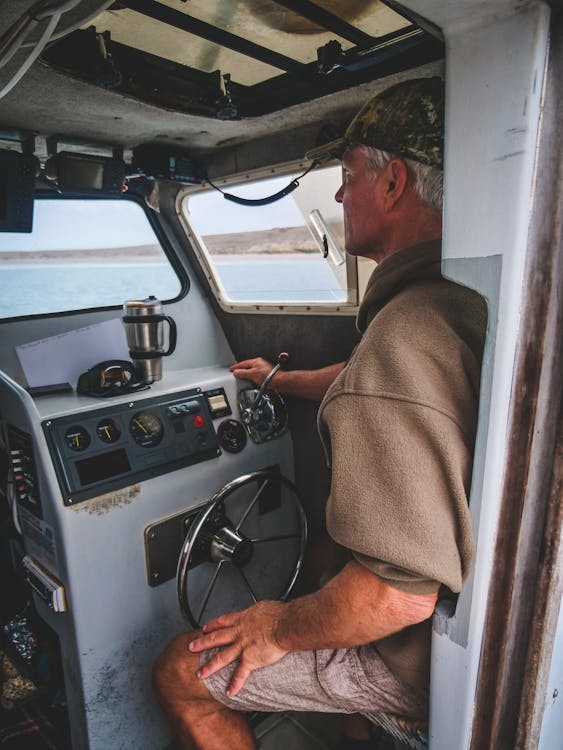
The Role of Forensic Investigators
Modern investigations rely on a combination of physical evidence and human performance data. Safety investigators review maintenance logs, watch schedules, and communication records to build a full picture of what happened before an incident. Pairing this evidence with medical records, toxicology reports, and crew interviews allows for a comprehensive analysis that supports credible findings. This level of detail helps insurers, attorneys, and courts reach informed conclusions and implement corrective measures that reduce repeat incidents.
Get Expert Support for Fatigue-Linked Claims
As crew shortages and fatigue continue to impact marine operations, proper investigation methods are essential to prevent repeated failures and strengthen future safety protocols. Professionals providing boating risk assessment, boat accident analysis, and maritime legal support in Florida offer critical insights into how human factors contribute to liability. For those seeking clear, defensible evidence that stands up under scrutiny, A&L Maritime Experts, LLC delivers the expertise needed to protect your case and improve operational safety standards.
Contact us today.