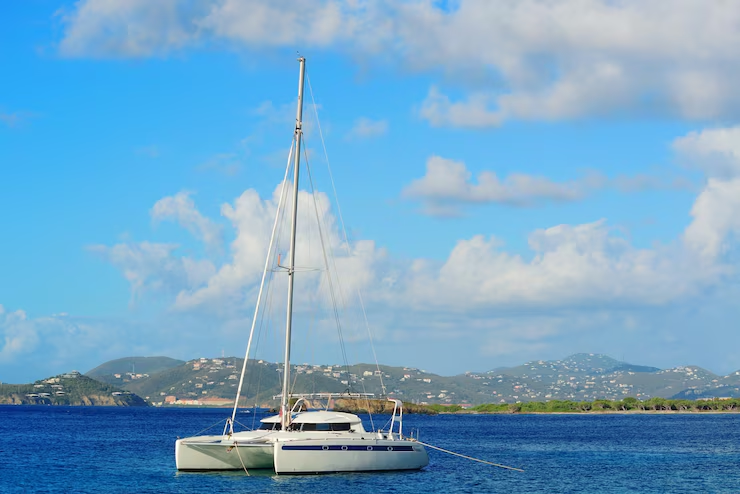
A fire on a boat can change lives within minutes. Unlike many other accidents, a fire at sea often leaves little time for passengers and crew to react. The confined nature of a vessel can make evacuation difficult. Smoke can spread quickly through cabins and enclosed spaces. As a result, victims may suffer burns, smoke inhalation, emotional trauma, and long term medical complications.
The consequences often extend beyond physical injuries. Victims may face expensive medical treatment, lost income, and ongoing rehabilitation. Families may also experience financial stress after a serious boating incident. When a fire occurs because of unsafe conditions or careless actions, understanding the legal aspects becomes an important part of the recovery process.
Common Causes of Boat Fires
Boat fires rarely happen without a reason. Most incidents stem from preventable conditions that develop over time. Mechanical issues, fuel leaks, electrical failures, and poor maintenance can create dangerous situations. Even a minor defect can turn into a major emergency when exposed to heat or sparks.
Owners and operators have a responsibility to maintain vessels properly. Regular inspections and timely repairs help reduce risks. When these responsibilities are ignored, passengers and crew may suffer serious harm. Determining the cause of a fire is often the first step in understanding whether legal liability exists.
How Negligence Can Contribute to Boat Fires?
Negligence plays a significant role in many boating accidents. A vessel owner or operator may fail to address known hazards. They may ignore maintenance schedules, overlook damaged wiring, or operate equipment improperly. Such actions can increase the likelihood of a fire and place everyone on board at risk.
This is where issues related to boat negligence legal in Florida often arise. Legal investigations may examine maintenance records, safety procedures, and operational practices. Evidence gathered during this process helps determine whether someone failed to meet reasonable safety standards. Establishing negligence can be critical when evaluating responsibility for injuries and losses.
Signs That May Indicate Liability
Key Factors Often Examined
• Maintenance history of the vessel
• Compliance with safety regulations
• Condition of fuel and electrical systems
• Crew training and emergency preparedness
Investigators review these factors to understand what happened before the fire. A vessel that lacked proper maintenance or failed safety inspections may reveal important information about the cause of the incident. Documentation often becomes a valuable source of evidence during legal reviews.
Another important factor involves emergency response procedures. Crew members should know how to react when a fire occurs. Delayed responses, missing safety equipment, or inadequate training can worsen injuries and property damage. These details may influence liability assessments following an accident.
The Importance of Expert Fire Investigations
Boat fire cases require detailed technical analysis. The origin of a fire is not always obvious after significant damage occurs. Burn patterns, equipment conditions, and vessel systems must be examined carefully. A thorough investigation helps identify the sequence of events that led to the incident.
Professional experts provide valuable insight during this process. Their findings can help attorneys, insurers, and courts understand complex technical issues. Accurate assessments also help prevent incorrect conclusions. Reliable evidence supports fair evaluations of responsibility and damages in boating injury claims.
Why Documentation Matters After an Incident?
The period following a boat fire can be overwhelming for victims and vessel owners. However, preserving information is extremely important. Photographs, maintenance records, inspection reports, witness statements, and medical documentation may all contribute to a clearer understanding of the event.
Documentation creates a factual foundation for future reviews. Missing records can make it more difficult to determine what occurred. Comprehensive evidence helps investigators reconstruct the incident and identify contributing factors. Strong documentation often leads to more accurate legal and insurance outcomes.
Legal Challenges Associated With Boat Fire Claims
Boat fire injury cases can involve several parties. Responsibility may extend beyond the vessel owner. Manufacturers, maintenance providers, marina operators, or equipment suppliers could also become part of an investigation. Each situation presents unique facts that require careful examination.
Because boating incidents involve technical and legal complexities, determining liability can take time. Questions related to vessel operation, maintenance practices, and equipment performance often require detailed review. A structured investigation helps ensure that all relevant factors receive proper consideration before conclusions are reached.
The Role of Specialized Marine Expertise
Marine incidents differ significantly from accidents that occur on land. Boats operate in unique environments and rely on specialized systems. Understanding these systems requires knowledge of vessel construction, marine operations, and industry standards. This expertise becomes especially valuable when analyzing fire related injuries.
A qualified boat fire legal expert in Florida can help clarify technical details associated with a boating fire. Their analysis may address fire origin, vessel condition, operational practices, and compliance issues. These insights assist legal professionals and insurers when evaluating claims and determining accountability.
Essential Areas Reviewed During Marine Fire Assessments
Important Components of a Detailed Review
• Electrical systems and wiring conditions
• Fuel storage and delivery systems
• Engine room equipment
• Safety equipment availability
• Emergency response procedures
Each of these areas may reveal information about how a fire started or spread. Electrical failures remain one of the most common causes of marine fires. Fuel system defects can also create highly dangerous conditions when maintenance is neglected.
Safety equipment reviews are equally important. Fire extinguishers, alarms, and emergency communication devices play a major role during an emergency. Properly functioning equipment can reduce injuries and improve evacuation efforts. Investigators carefully assess whether these systems were available and operational at the time of the incident.
Protecting Future Boating Safety
Every boat fire investigation offers lessons that can improve safety across the maritime industry. Identifying root causes helps vessel owners understand potential risks. It also encourages stronger maintenance practices and greater attention to safety standards. Prevention remains the most effective way to reduce boating injuries.
Regular inspections, crew training, and proactive maintenance programs contribute to safer operations. Awareness of common fire hazards can help owners address problems before they escalate. By learning from past incidents, the boating community can create safer experiences for everyone on the water.
The Bottom Line
Fire related injuries on a boat can have lasting physical, emotional, and financial effects. Understanding the factors that contribute to these incidents is essential when evaluating liability and damages. Thorough investigations, accurate documentation, and professional analysis help establish the facts behind a marine fire.
A&L Maritime Experts, LLC provides the specialized knowledge needed to assess complex boating incidents. From fire origin investigations to technical evaluations and expert support, the firm delivers detailed insight that assists legal professionals, insurers, and vessel owners. When reliable expertise is needed after a serious marine fire, A&L Maritime Experts, LLC stands ready to provide comprehensive and professional guidance.