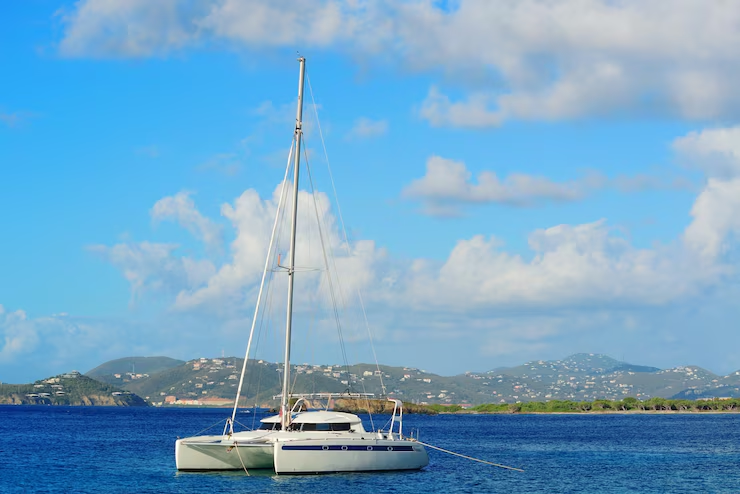
Owning a boat for the first time is exciting. It opens the door to new adventures on the water and creates opportunities to spend quality time with family and friends. However, many new owners focus heavily on purchasing the vessel and often pay less attention to insurance decisions. This can create serious problems when an accident, storm, fire, or collision occurs.
Insurance plays a critical role in protecting your investment. A small mistake during policy selection can lead to large financial losses later. Understanding common insurance errors can help boat owners make better choices and avoid costly surprises.
This is also why many owners seek guidance from Boats and Yachts Damage Consultants when evaluating losses and understanding damage related claims.
Understanding Why Proper Coverage Matters
Many first time owners assume that boat insurance works exactly like car insurance. This assumption often leads to coverage gaps. Boats face unique risks that include weather exposure, dock accidents, theft, sinking, fire, and mechanical failures.
Insurance policies vary significantly. Some policies provide broad protection while others contain limitations that may affect claim outcomes. When damage occurs, professional Florida Boat Damage consulting services often help owners understand the extent of losses and support claim evaluations. Proper preparation before a loss occurs remains the best approach.
A boat represents a significant financial investment. Protecting that investment requires careful policy review and a clear understanding of coverage terms. Owners who spend time learning about their insurance options often avoid major claim disputes later.
Choosing Coverage Based Only on Price
Many new boat owners select the cheapest available policy. While saving money feels appealing, lower premiums often come with reduced protection. Important coverages may be excluded or limited.
A low cost policy may not cover salvage operations, environmental cleanup costs, or certain types of storm damage. These expenses can become substantial after an accident. Reviewing policy details is more important than focusing only on premium costs.
The goal should be finding a balance between affordability and protection. A well structured policy offers peace of mind and helps reduce financial uncertainty when unexpected events occur.
Ignoring the True Value of the Vessel
Insurance values should accurately reflect the boat’s condition and market worth. Some owners underestimate value to reduce premiums. Others fail to update coverage after upgrades and improvements.
Modern electronics, navigation systems, communication equipment, and customized features can significantly increase vessel value. If coverage amounts remain outdated, owners may not receive adequate compensation after a loss.
Professional assessments become important when determining vessel value. Accurate valuations help ensure that insurance coverage aligns with actual replacement or repair costs.
Common Documentation Mistakes
Important Records Every Owner Should Keep
- Purchase documents
- Maintenance records
- Upgrade invoices
- Survey reports
- Repair receipts
Documentation supports ownership claims and helps verify vessel condition before a loss occurs. Missing records can complicate claim investigations and delay settlements.
Maintenance history also demonstrates responsible ownership. Insurers often review maintenance practices when evaluating certain claims. Organized records help establish a clear timeline of vessel care and repairs.
Failing to Understand Navigation Limits
Many boat insurance policies contain navigation restrictions. These limits define where the vessel can legally operate under the policy.
Some owners discover these restrictions only after an incident occurs outside approved waters. Operating beyond designated areas may affect claim eligibility and create unexpected challenges.
Owners should carefully review navigation boundaries before taking extended trips. Understanding these limitations helps avoid unnecessary risks and ensures compliance with policy requirements.
Overlooking Seasonal Risks
Boats face different risks throughout the year. Storms, hurricanes, freezing temperatures, and storage conditions can all influence insurance needs.
Seasonal weather patterns create unique exposures that should be considered when selecting coverage. Proper storage and preparation can reduce the likelihood of damage during periods of inactivity.
Insurance policies may also contain requirements related to storage locations and storm preparedness. Reviewing these requirements before severe weather seasons can help owners remain protected.
Claim Mistakes That Can Create Problems
Actions to Avoid After an Incident
- Delaying claim notification
- Discarding damaged components
- Performing major repairs without documentation
- Failing to photograph damage
- Ignoring insurer instructions
The period immediately following an accident is critical. Proper documentation supports accurate claim evaluations and helps establish the cause and extent of damage.
Photographs, witness information, maintenance records, and incident reports all contribute to a stronger claim file. Careful documentation often improves communication between owners and insurers.
Underestimating Hidden Damage
Not all damage is visible immediately after an accident. Structural problems, water intrusion, electrical issues, and mechanical defects may develop over time.
A vessel that appears safe on the surface may contain hidden problems that affect performance and safety. Comprehensive inspections become essential after collisions, groundings, storms, and fire incidents.
This is one reason many owners work with Boats and Yachts Damage Consultants during damage evaluations. Detailed inspections help identify conditions that might otherwise go unnoticed and support informed repair decisions.
The Role of Professional Damage Evaluation
Insurance claims often involve technical questions regarding cause, extent, and repair requirements. Professional evaluations help create a clear picture of vessel condition following a loss.
Experienced marine experts examine structural components, onboard systems, equipment, and repair recommendations. Their findings can help owners understand the full scope of damage and avoid incomplete repairs.
Professional reviews also support accurate cost estimates. This information helps owners make informed decisions regarding repairs, restoration, or replacement options.
Why Communication With Insurers Matters?
Strong communication helps prevent misunderstandings during the claims process. Owners should report incidents promptly and provide complete information whenever possible.
Clear communication also reduces delays. Insurers require accurate details to investigate claims and determine appropriate next steps. Timely responses can help move the process forward more efficiently.
Keeping written records of conversations, emails, photographs, and supporting documents creates a useful reference throughout the claim process. Organized communication often leads to smoother claim handling and better outcomes.
The Bottom Line
First time boat ownership brings excitement, responsibility, and important financial decisions. Insurance mistakes can create costly consequences when accidents occur. Choosing coverage based solely on price, ignoring vessel value, overlooking navigation limits, and failing to document incidents properly are among the most common errors owners make.
Professional guidance can make a significant difference when evaluating vessel damage and understanding claim related concerns. A&L Maritime Experts, LLC provides trusted support for vessel inspections, damage evaluations, and marine consulting services.
Our experience helps owners gain a clearer understanding of damage conditions and repair requirements. Working with knowledgeable marine professionals can strengthen decision making, support accurate assessments, and help protect valuable investments on the water.