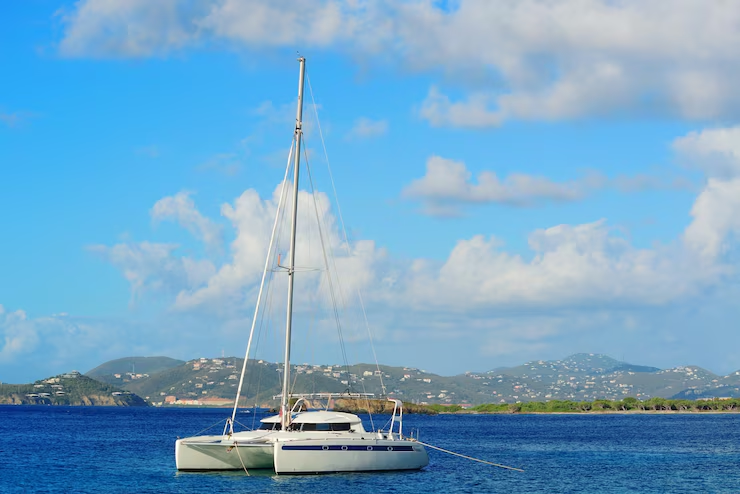
Boats and vessels face constant exposure to water, weather, impacts, and operational stress. Over time, these conditions can affect the structural condition of a hull. Even minor issues can grow into costly problems if they remain unnoticed. This is why vessel owners, insurers, and legal professionals often rely on vessel damage assessment in Florida to identify hidden defects and document the true condition of a vessel.
A detailed inspection does more than confirm visible damage. It helps determine the cause, extent, and potential consequences of structural problems. Through vessel inspections & surveying, experts can provide accurate findings that support repairs, claims, and long term maintenance decisions.
Why Hull Damage Requires Early Detection?
Hull damage rarely appears overnight. Many problems begin as small defects that gradually worsen with use and environmental exposure. Cracks, moisture intrusion, and impact damage can spread beneath the surface before obvious warning signs become visible.
Early detection helps vessel owners avoid larger repair expenses and safety concerns. Professional assessors use systematic inspection methods to locate issues before they affect vessel performance. A thorough examination provides a clear picture of the vessel’s condition and helps owners make informed decisions about repairs and maintenance.
Impact Damage from Collisions and Groundings
Collisions with docks, floating debris, or other vessels often leave visible marks on the hull. Grounding incidents can also create structural stress below the waterline. While some impacts appear minor from the outside, the force may extend deep into the vessel structure.
Assessors carefully inspect affected areas for fractures, distortion, and hidden weaknesses. They examine both exterior and interior sections to determine whether the impact has compromised structural integrity. Accurate documentation plays an important role in vessel damage assessment when insurance claims or legal disputes arise after an accident.
Stress Cracks and Structural Fatigue
Repeated movement and vibration place constant pressure on a vessel’s structure. Over time, this stress can lead to cracks in fiberglass, metal, or other hull materials. Stress cracks often develop around joints, fittings, and areas exposed to heavy loads.
Experienced surveyors look beyond surface imperfections. They evaluate crack patterns, depth, and surrounding conditions to determine whether the issue is cosmetic or structural. Florida vessel inspections & surveying often include close examination of these areas because fatigue related damage can weaken a vessel if left unaddressed.
Water Intrusion and Moisture Damage
Water intrusion remains one of the most common concerns for vessel owners. Moisture can enter through damaged coatings, failed seals, or small cracks. Once water reaches internal materials, it may cause deterioration that spreads over time.
Assessors use specialized techniques to detect moisture hidden beneath the surface. They evaluate areas that commonly retain water and identify signs of long term exposure. Moisture related findings help owners address problems before they lead to extensive repairs or reduced vessel value.
Common Signs Assessors Watch For
Professional inspections involve more than a quick visual review. Assessors evaluate multiple indicators that may suggest underlying hull problems.
Key warning signs include:
- Surface cracks and fractures
- Areas of discoloration
- Soft or weakened sections
- Distorted hull shapes
- Evidence of previous repairs
- Corrosion around metal components
- Moisture retention within structural materials
These observations help experts develop a complete understanding of the vessel’s condition. Every finding contributes to a detailed assessment that supports repair planning and future maintenance strategies.
Corrosion and Metal Deterioration
Metal vessels face unique challenges due to continuous exposure to water and environmental elements. Corrosion can weaken structural components and reduce overall vessel reliability. Saltwater environments often accelerate this process, making routine inspections especially important.
Assessors examine plating, welds, fasteners, and other critical components for signs of deterioration. They identify corrosion patterns and evaluate whether damage remains superficial or has affected structural strength. Accurate findings support effective repair recommendations and help prevent further material loss.
Hidden Damage Beneath Previous Repairs
Some vessels undergo repairs after accidents or wear related issues. While many repairs restore structural integrity, others may conceal underlying problems that continue to develop over time. Surface finishes can sometimes hide deficiencies that are not immediately visible.
Assessors carefully review repaired sections and surrounding structures. They evaluate workmanship quality and identify signs of recurring damage. This step is particularly valuable during vessel damage assessment because hidden defects may influence repair costs, insurance evaluations, and vessel value.
Inspection Methods Used by Marine Assessors
Modern marine assessments combine experience with advanced inspection techniques. These methods help experts gather reliable information without causing unnecessary disruption to the vessel.
Common assessment practices include:
- Visual examinations of interior and exterior surfaces
- Structural condition reviews
- Moisture detection procedures
- Evaluation of repaired sections
- Documentation through photographs and reports
- Analysis of damage patterns and contributing factors
Each method serves a specific purpose. Together, they provide a detailed picture of hull condition and support accurate conclusions regarding the extent of damage.
The Value of Professional Surveying Services
A professional assessment provides more than technical findings. It creates a documented record that supports owners, insurers, attorneys, and repair facilities. Accurate reporting helps all parties understand the condition of the vessel and determine the most appropriate course of action.
Vessel inspections & surveying contribute valuable information during transactions, claims, accident investigations, and maintenance planning. Professional evaluations reduce uncertainty and provide confidence when important decisions must be made regarding vessel repairs or future operations.
Summing Up,
Hull damage can take many forms, from impact related defects and stress cracks to moisture intrusion and corrosion. Some issues remain visible, while others develop beneath the surface and require expert investigation. Identifying these problems early helps protect vessel safety, value, and long term performance.
For reliable vessel damage assessment, professional expertise makes a significant difference. A&L Maritime Experts, LLC delivers detailed evaluations designed to uncover hidden concerns and provide accurate documentation.
Through comprehensive Florida vessel inspections & surveying, the team helps vessel owners, insurers, and legal professionals gain a clear understanding of hull condition and make informed decisions with confidence.