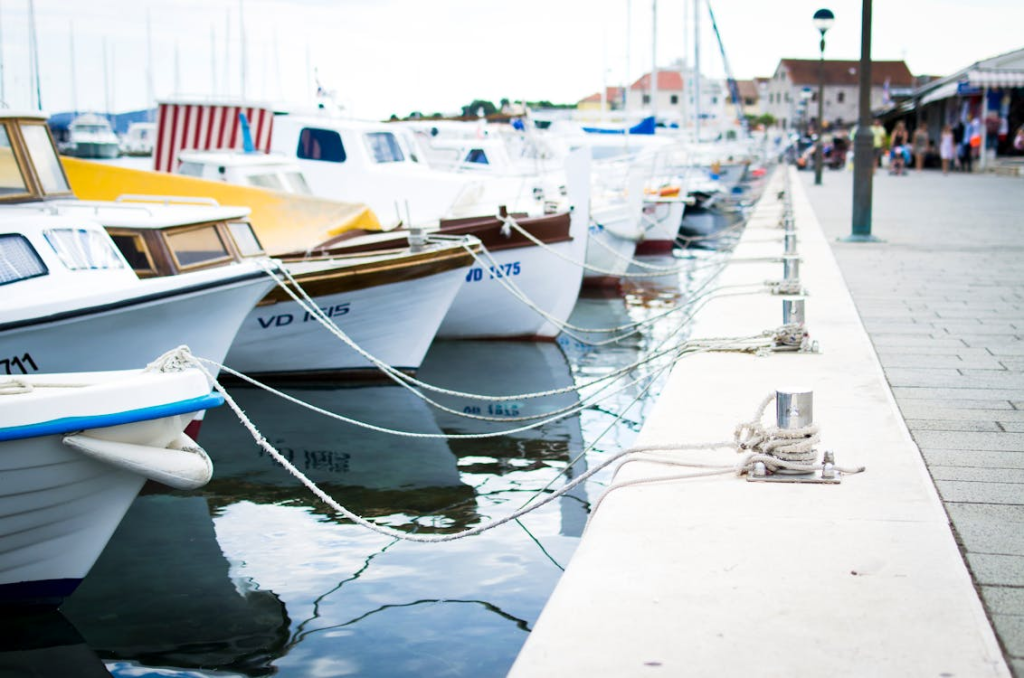
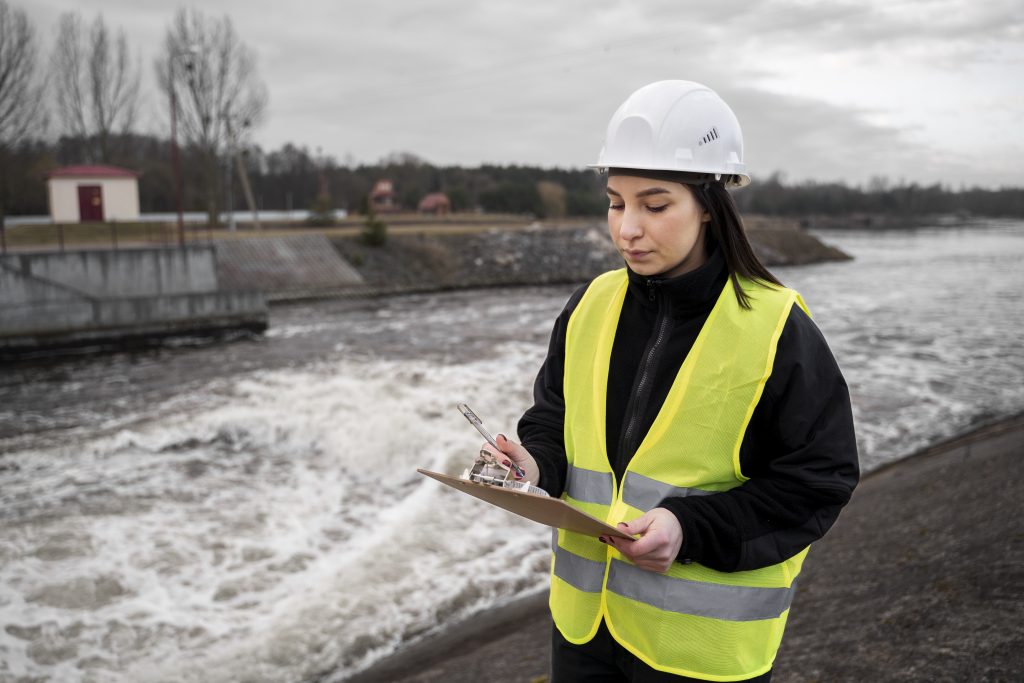
Florida’s inland waterways offer vital routes for recreation, commerce, and tourism. However, when a vessel accident occurs in rivers, lakes, or canals, the investigative process differs significantly from those in coastal or offshore environments. These freshwater settings present unique challenges, requiring investigators to adapt their methods while ensuring accurate analysis and reliable outcomes.
Environmental Complexities of Freshwater Investigations
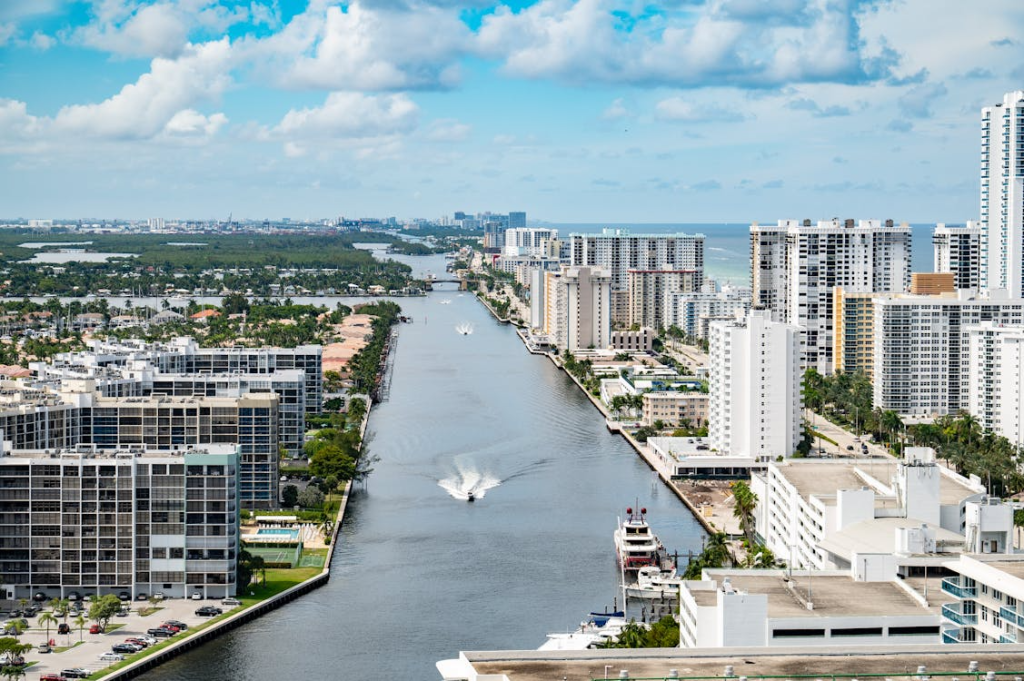
Unlike the open sea, Florida’s inland waterways feature shifting currents, shallow depths, vegetation, and fluctuating water levels. These conditions can complicate accident reconstruction by obscuring evidence or making it difficult to recover debris. For example, submerged vegetation can entangle wreckage, while low visibility in murky waters delays recovery efforts. Investigators must account for these environmental factors to accurately determine causation and liability.
Human Activity and Traffic Density
Florida’s freshwater systems are hubs of activity, hosting fishing boats, personal watercraft, tour vessels, and barges. High traffic density increases the likelihood of collisions and complicates investigations, as multiple parties may be involved in a single incident. Determining responsibility requires careful analysis of navigation rules, vessel speeds, operator actions, and eyewitness accounts. This heightened complexity underscores the importance of comprehensive investigation methods.
Regulatory and Jurisdictional Challenges
Another challenge in inland waterways is navigating overlapping jurisdictions. Vessel accidents in these areas may fall under local, state, or federal authority, depending on location and circumstances. Each level of governance may impose different requirements for reporting, investigation, and liability assessment. Coordinating with multiple agencies ensures compliance but can also slow the process. Investigators must be well-versed in these layers of regulation to provide effective support in both insurance and legal contexts.
The Role of Technology in Freshwater Cases
Advanced technology plays a critical role in overcoming freshwater investigation challenges. Tools such as sonar imaging, drone surveys, and GPS data help reconstruct accidents even in difficult environments. For example, side-scan sonar can locate submerged wreckage in low-visibility waters, while GPS logs from vessels provide timelines of speed and direction. These technologies enhance accuracy and strengthen the credibility of findings in legal and insurance proceedings.
Supporting Litigation and Insurance Claims
Accurate freshwater accident investigations are vital for resolving disputes in court or insurance claims. Expert testimony backed by thorough analysis can clarify complex scenarios for judges, juries, and insurers. By presenting clear evidence of environmental, human, and technical factors, investigators support fair settlements and accountability. This is especially important when multiple vessels or operators are involved, as responsibility is rarely straightforward.
Building Safer Inland Waterways
Investigations not only resolve disputes but also contribute to safer waterways. By identifying recurring issues such as operator inexperience, inadequate signage, or congested traffic zones, investigators provide insights that can shape safety regulations and public awareness campaigns. These preventative measures help reduce the frequency of accidents and protect Florida’s freshwater resources for future generations.
Get Expert Support for Florida Waterway Accidents from A&L Maritime Experts, LLC
A&L Maritime Experts, LLC specializes in vessel accident analysis, boat collision investigation, and maritime legal support Florida clients trust. Strengthen your case with proven expertise. Contact A&L Maritime Experts, LLC today for reliable guidance and solutions.