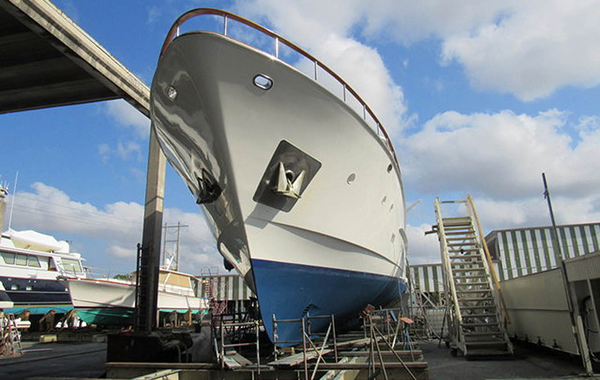
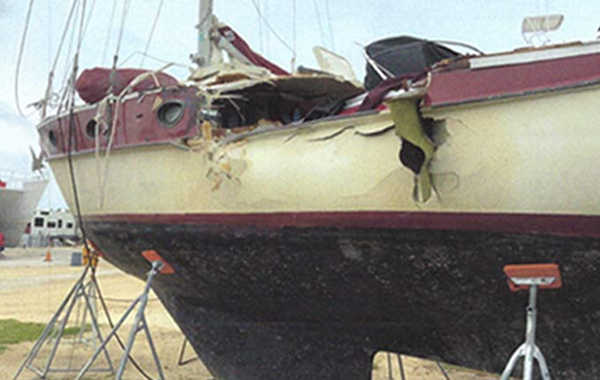
Marine incidents can be chaotic, with confusion, damage, and conflicting accounts clouding the truth. That’s where boat accident analysis steps in, a methodical process designed to uncover facts, assign liability, and protect legal and financial interests.
Whether the incident involves a yacht, ferry, or recreational vessel, expert surveyors and marine consultants play a critical role in dissecting what went wrong. Here’s how that investigation unfolds, and why the process is essential in today’s high-stakes maritime claims.
First Response: Securing the Scene and Preserving Evidence
Immediately after a marine accident, the first priority is safety. Once all individuals are accounted for and immediate hazards are controlled, investigators begin documenting the site. This includes photographing damage, capturing location data, and interviewing witnesses while memories are fresh.
The accuracy of this initial stage is vital. Without proper evidence collection, even the most advanced boating crash investigation can fail to yield defensible conclusions.
Step Two: Surveyor Arrival and Vessel Inspection
A marine surveyor with legal experience arrives on site, often within 24–48 hours. Their job isn’t just to inspect physical damage. They evaluate whether the vessel was operating within design parameters, assess maintenance records, and look for signs of pre-existing defects.
In complex cases, such as a yacht collision investigation, surveyors may also deploy diagnostic tools like infrared thermography or ultrasonic gauges to detect hidden structural failures. Every measurement taken, from hull fractures to engine damage, becomes part of the forensic puzzle.
Scene Reconstruction: Telling the Story of the Accident
Once physical evidence is gathered, marine legal experts use that data to recreate the incident timeline. They combine GPS coordinates, AIS data, and onboard logbooks to map the vessel’s course and behavior.
In boating wreck investigation cases, the goal is to determine exactly how and why the crash occurred, was there a mechanical failure, navigational error, or violation of maritime rules?
Reconstruction findings are often used to support insurance claims or litigation, especially when conflicting narratives emerge.
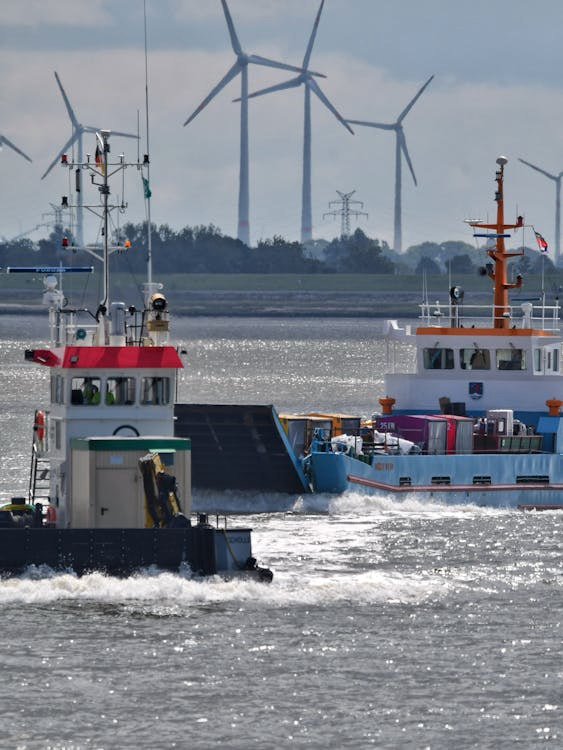
Legal and Insurance Implications
A well-executed analysis forms the basis for expert reports used in court or mediation. Attorneys rely on marine consultants to explain technical findings in clear, accessible language, bridging the gap between engineering and law.
Whether it’s a shipwreck case support effort or a simple hull damage dispute, these reports often tip the scales in litigation and settlement discussions.
Insurers, on the other hand, use findings to verify claim legitimacy and calculate fair repair or replacement costs. This is especially crucial in complex maritime legal support scenarios involving shared liability or third-party claims.
Who Conducts These Investigations?
Only seasoned experts like those at A&L Maritime Experts, LLC have the training, tools, and litigation-tested credibility to provide reliable marine legal expert support.
With over 50 years of real-world marine engineering experience, A&L brings unmatched depth to every investigation, ensuring facts are documented and ready for court.
Partner With a Trusted Expert
If you’re navigating a marine incident or need an authoritative analysis to support your case, don’t leave critical evidence to chance. Our team specializes in complex investigations, ranging from ship safety advisory cases to high-stakes boat collision investigation, and we’re ready to help.
Contact us today to schedule a confidential consultation or learn more about our investigative process. Let A&L Maritime Experts deliver the clarity, accuracy, and legal-grade insights your case demands.