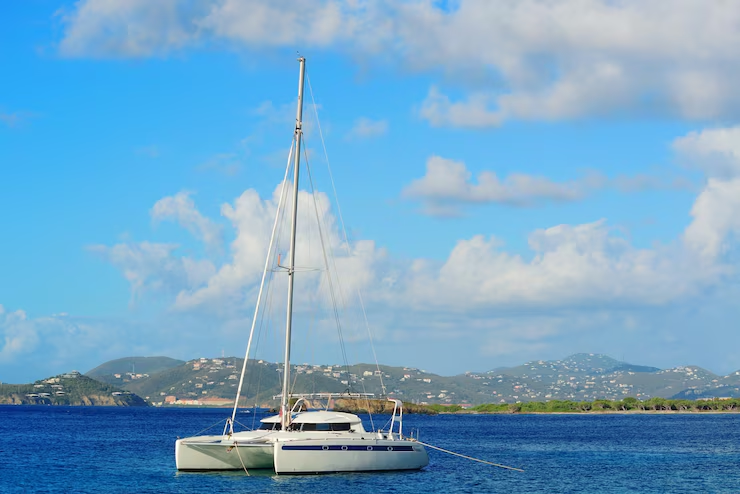
In the world of marine litigation, vessels under 125 feet—such as charter boats, tugs, fishing vessels, and water taxis—present a unique challenge. Unlike larger commercial ships equipped with automated monitoring systems, small boats leave behind fewer digital breadcrumbs when an accident occurs. This makes small boat accident investigation a highly specialized field, requiring hands-on technical analysis and a deep understanding of how these vessels operate in the real world.
Why Smaller Vessels Pose Bigger Challenges for Investigators
Small commercial boats typically lack Voyage Data Recorders (VDRs), engine-room monitoring systems, and complex navigation logs. When a grounding, collision, mechanical failure, or injury occurs, the physical condition of the boat itself becomes the primary source of truth.
Unfortunately, valuable evidence can disappear quickly:
- A towing response might destroy rudder impact marks.
- Salvage crews may strip or repair components before documentation.
- Tide and current can scatter debris, confuse wreck positioning, and erase GPS trails.
The Role of Marine Experts in Small Boat Cases
At A&L Maritime Experts we’re often called in to investigate:
- Hull breaches and groundings
- Equipment failure (steering, propulsion, or electrical systems)
- Operator error claims
- Structural or design defects
- Injury-causing collisions
Because these vessels are usually under 125 feet, we know the common pressure points—undersized cleats, corroded fuel lines, retrofit electrical panels, or engines that have far outlived their service schedule. Many small boat claims come down to identifying whether the incident stemmed from poor maintenance, operational error, or failure of original construction.
Techniques Tailored for Small Vessel Cases
We adapt our investigative methods to suit the scale and sensitivity of smaller vessels:
- Non-invasive inspections to preserve hull and deck integrity
- 3D scans of damaged areas before salvage begins
- Forensic dismantling of steering and throttle components
- Analysis of AIS or mobile GPS data, even if incomplete
- Interviews with crew and passengers, interpreted through a technical lens
Unlike larger vessel investigations, where automated logs may offer the narrative, we build the narrative through materials, wear patterns, and engineering logic.

Legal Relevance and Risk
Small boat accidents often involve injury claims, charter contract disputes, or allegations of operational negligence. Courts and insurers expect clear, impartial answers to questions like:
- Did the vessel meet minimum safety standards?
- Was equipment failure foreseeable or sudden?
- Did the captain act in accordance with seamanship best practices?
When the vessel size limits recorded data, the credibility of the expert becomes paramount.
Why A&L Maritime Experts
Our work isn’t theoretical—it’s based on decades of seafaring, marine engineering, and expert witness service. We understand the unique liabilities that arise with boats between 20 and 125 feet and provide confidential, precise, and defensible marine accident investigations.
Contact A&L Maritime Experts today to discuss your small boat case and see how our real-world expertise can strengthen your defense, claim, or litigation strategy.